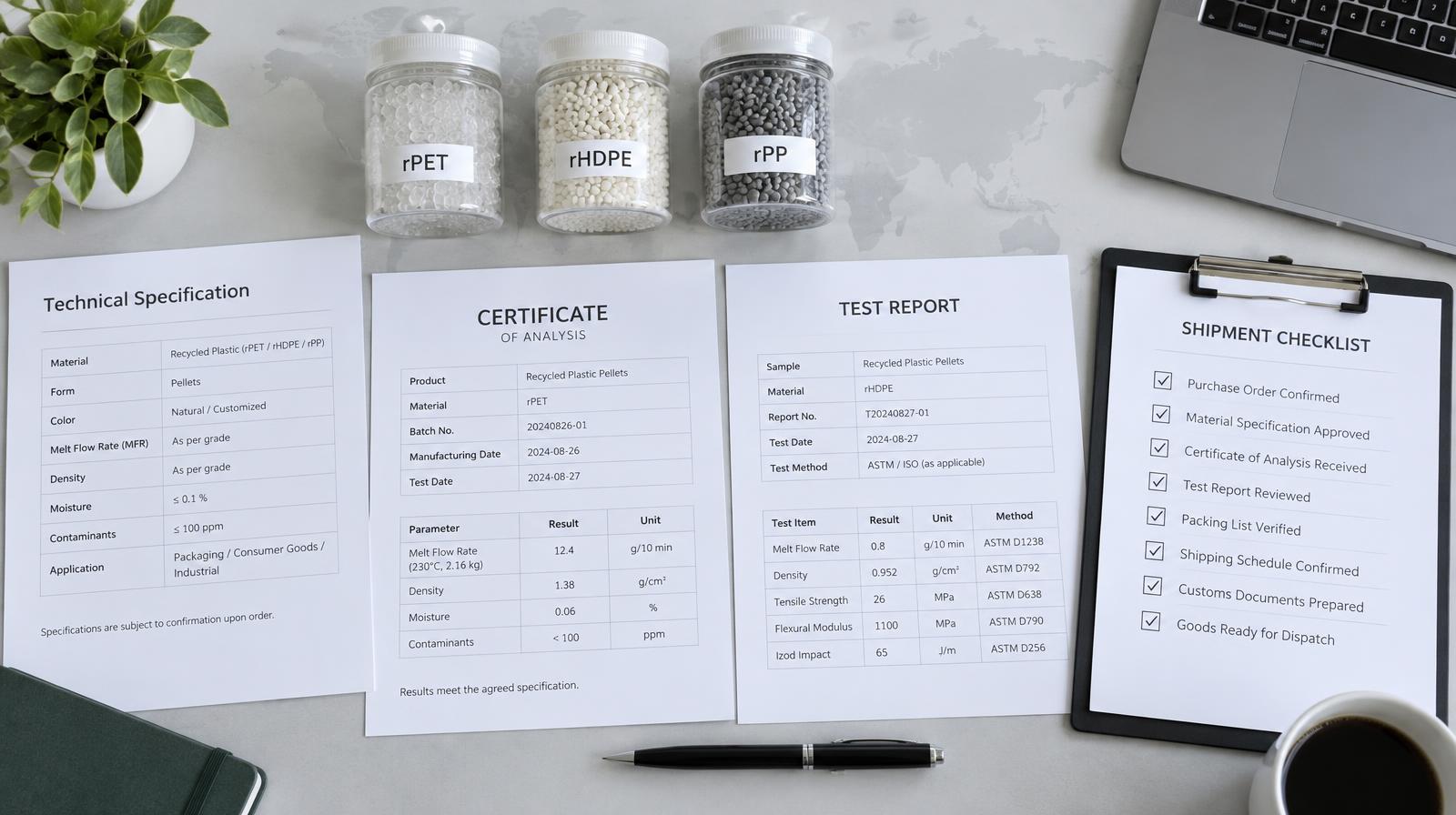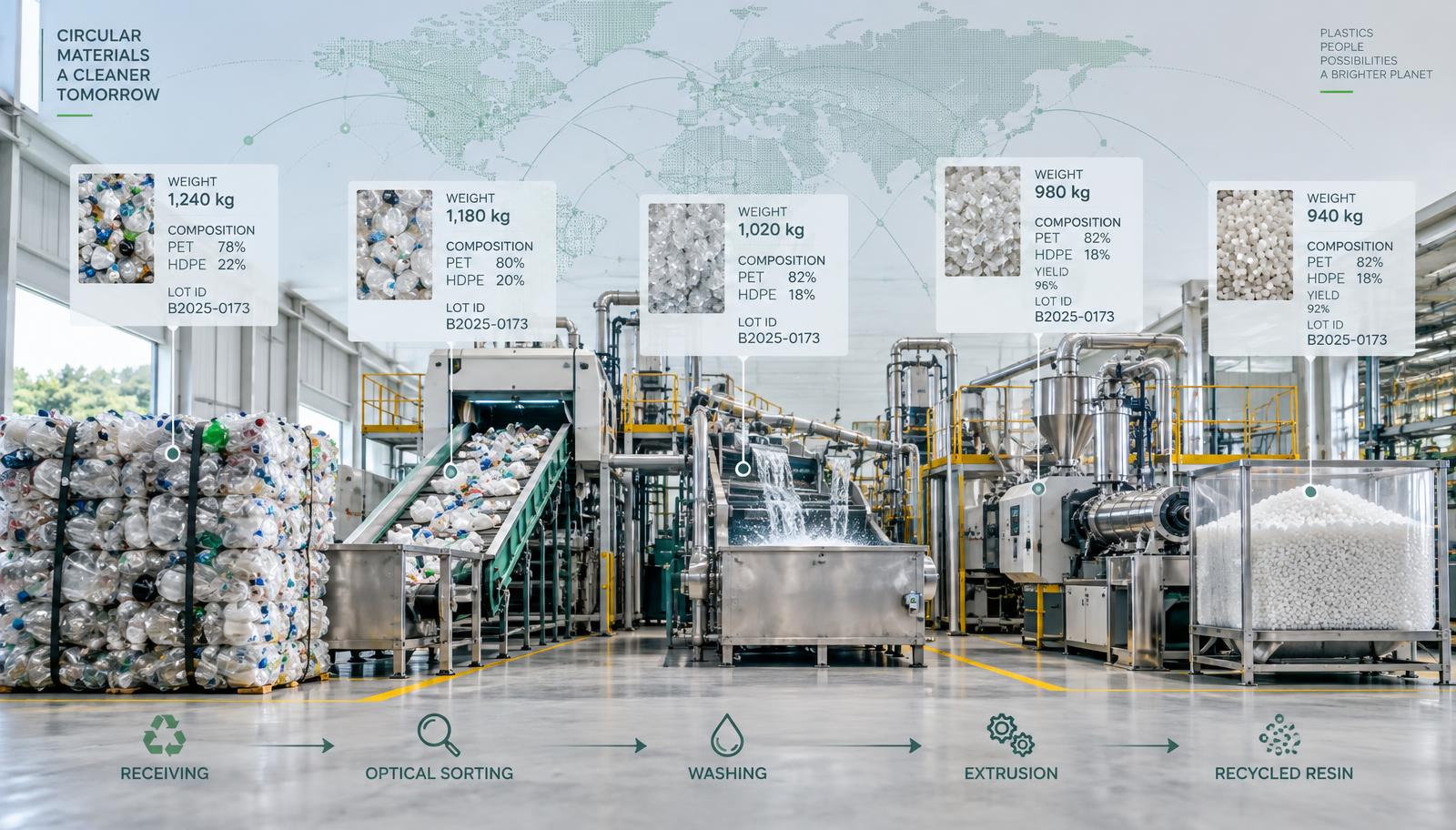
A single rejected plastic bale doesn't just waste a shipment; it erodes your profit margin and damages your reputation with buyers. You've likely spent hours arguing with suppliers over contamination levels or felt the sting of a manual audit that missed a critical batch of PVC in a PET stream. It's a frustrating, expensive cycle that happens because traditional methods to verify plastic recycling purity are often too slow and subjective for a modern facility.
You deserve a process that's as fast as your sorting line. This guide will help you master the technical standards and modern digital methods used to accurately verify plastic recycling purity and prevent costly contamination. We'll show you how to move from reactive lab testing to proactive, AI-driven visual auditing at the point of exchange. By the end, you'll have a repeatable verification process and clear documentation that eliminates disputes and keeps your revenue secure.
Key Takeaways
- Understand how small purity fluctuations directly impact bale market value and facility revenue.
- Compare traditional manual sorting with high-tech NIR spectroscopy to find the right verification balance for your facility.
- Identify hidden contaminants like moisture and prohibitives that artificially inflate weight and lower quality.
- Use a standardized digital protocol to verify plastic recycling purity and create data-backed supplier scorecards.
- Transition from reactive lab testing to instant AI-driven audits that capture composition data in seconds.
The Critical Role of Purity Verification in Plastic Recycling
Purity in plastic recycling is a simple ratio. It measures the weight of your target polymer against the total weight of the bale. If you're selling PET, any presence of HDPE, paper, or moisture is a contaminant. To verify plastic recycling purity accurately, you must look beyond the surface of the material. Professional facilities use these metrics to prove their material quality to skeptical buyers and secure better contracts.
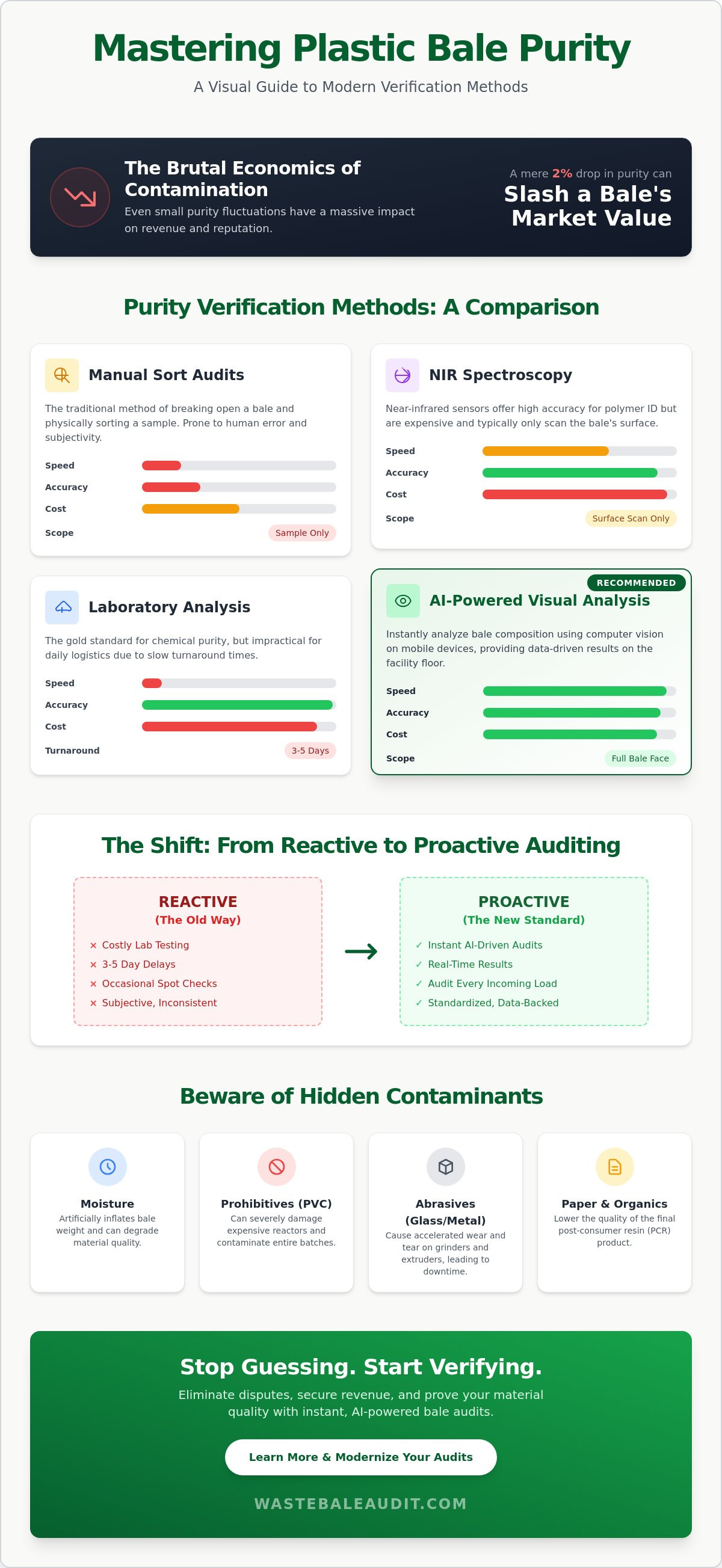
The economics of contamination are brutal. A mere 2% drop in purity can slash a bale's market value by a significant margin. Buyers in 2026 no longer accept "average" loads. They require documented proof that materials meet Grade A standards. These standards typically demand 98% purity or higher for food-contact applications. Understanding The Critical Role of Purity Verification in Plastic Recycling helps your facility stay competitive in a crowded market.
As the industry moves toward a circular economy, the margin for error has disappeared. Brands need clean feedstock to meet mandatory recycled content targets. High-quality post-consumer resin (PCR) is the only way to meet these goals without compromising the structural integrity of new packaging. If you can't prove your purity, you're leaving money on the table.
Why Purity Thresholds Matter for MRFs
Contamination isn't just a trading issue; it's a maintenance nightmare. Abrasive glass or metal shards in a plastic stream accelerate wear on grinders and extruders. High purity levels ensure you can pivot between industrial-grade and food-grade markets effortlessly. This operational flexibility is essential for facilities aiming for Zero Waste certifications. Every percentage point of diverted material counts toward your bottom line and reduces your environmental footprint.
Common Purity Standards and Certifications
Global trade relies on standardized language. ISO standards provide the framework for characterizing plastic waste, but regional laws add specific pressure. For example, EU 2022/1616 sets strict safety requirements for recycled plastics used in food packaging. You must also distinguish between mechanical and chemical recycling needs. Mechanical processes require high physical purity. Chemical recycling can sometimes handle higher contamination levels, but it remains sensitive to specific prohibitives like PVC that can damage expensive reactors.
Primary Methods for Assessing Plastic Bale Composition
Choosing the right tool to verify plastic recycling purity depends on your position in the supply chain. On the sorting floor, speed is everything. In the lab, precision wins. Most facilities balance these needs by using a mix of traditional and digital inspection methods to ensure bale quality remains consistent.
- Manual Sort Audits: This is the classic "prodding" method. An auditor breaks open a bale and manually sorts a sample. It's labor-intensive and has a high error margin, often missing contaminants buried deep inside the material.
- NIR Spectroscopy: Near-infrared (NIR) sensors provide high accuracy for polymer identification. While accurate, the hardware is expensive and typically scans only the surface of the bale, leaving internal composition a mystery.
- Laboratory Analysis: This remains the gold standard for chemical purity. It's essential for proving a load is free of hazardous residues, but the three to five day turnaround time makes it impractical for daily logistics.
- AI-Powered Visual Analysis: This emerging standard uses computer vision to analyze bale composition instantly. It provides data-driven results directly on the facility floor without the need for specialized hardware.
Comparing Lab Testing vs. Field Audits
Lab testing and field audits serve different masters. A lab test provides the chemical certainty required when Establishing a Quality Control Protocol for Recycled Plastics for food-grade applications. Field audits, however, are your front line of defense against rejected loads. Because the cost per scan is significantly lower for visual audits, you can check every incoming load rather than relying on occasional spot checks. If you want to improve your verification frequency, field-ready tools are the logical choice.
The Rise of Optical and AI Inspection
Machine learning has changed how we look at plastic scrap. Modern models can identify PET, HDPE, and LDPE from simple visual data with high accuracy. This technology has moved from expensive sorting belts to mobile devices. Implementing a plastic scrap inspection app allows your team to document purity levels before a truck even leaves the yard. It replaces human intuition with standardized data, ensuring every auditor follows the same rules to verify plastic recycling purity. This digital trail protects you during price negotiations and supplier disputes.
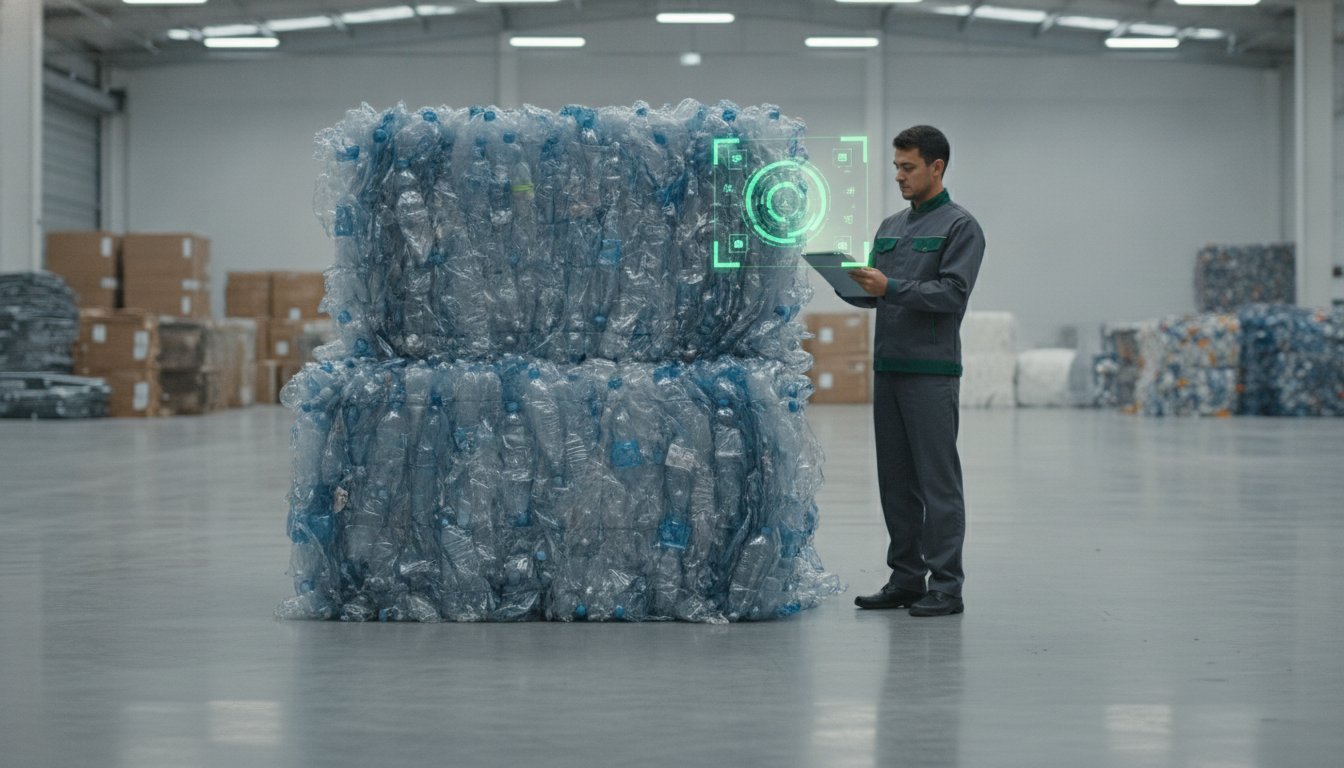
Identifying Hidden Contamination: The Barrier to Purity
A plastic bale often looks uniform on the outside, but the core tells a different story. To verify plastic recycling purity effectively, you have to distinguish between different types of "junk." Industry professionals divide contamination into two categories: prohibitives and outthrows. Understanding this distinction is the first step in protecting your facility from bad loads.
Outthrows are materials that are simply in the wrong place, like a stray HDPE bottle in a PET bale. They reduce the yield but don't necessarily ruin the equipment. Prohibitives are a different beast altogether. Prohibitives are any materials that prevent a bale from being processed. These include metal strapping, glass shards, or organic waste that can damage machinery or contaminate an entire chemical batch. If a load has too many prohibitives, it's often rejected outright.
Moisture is another silent profit killer. It's often trapped deep within the bale, adding weight that buyers don't want to pay for. If you don't account for moisture when you verify plastic recycling purity, your calculations will be skewed. This leads to overpayment for low-quality material and unexpected losses during the drying phase of processing. Even a 3% moisture level can significantly change the economics of a high-volume trade.
Mixed polymers also cause catastrophic failures. For instance, PET-G looks nearly identical to standard PET but has a much lower melting point. If PET-G enters a standard PET recycling stream, it clumps together in the dryer, causing massive downtime. Identifying these subtle chemical differences often requires advanced methods for detecting impurities before the material reaches the extruder.
Detecting Non-Polymer Prohibitives
Spotting non-plastic waste requires a trained eye. Look for the glint of metal strapping or the weight of glass shards at the bottom of a sample. Paper labels and heavy adhesives also degrade the final resin quality, often causing discoloration or charring during extrusion. While some adhesives wash away easily, others remain stuck, requiring more intensive filtration or chemical treatments to remove. Constant vigilance during the audit phase prevents these materials from entering your production line.
The Challenge of Multilayer and Mixed Plastics
Multilayer films are a growing headache for modern recyclers. A film might look like pure LDPE, but it often contains layers of nylon or EVOH used as oxygen barriers. These layers are invisible to the naked eye and can cause structural weaknesses in recycled resin. Black plastic and specific additives also present a hurdle. Carbon black absorbs the light used by traditional NIR sensors, making the material "invisible" to automated sorters. To combat this, auditors use "sandwich" checks, pulling samples from the center of the bale to ensure high-grade material isn't just a thin veneer covering lower-grade plastics.
Establishing a Quality Control Protocol for Recycled Plastics
Subjectivity is the enemy of a profitable MRF. If your verification process depends on the mood or experience level of an individual auditor, your data is inherently unreliable. One person's "clean" load is another's "contaminated" nightmare. To verify plastic recycling purity with professional accuracy, you must move from mental notes to digital records. A standardized protocol ensures that every bale is judged by the same set of rules, regardless of who is holding the camera.
Start by standardizing your photography process. Random snapshots from a distance don't provide enough evidence for a financial claim. Require your team to capture high-resolution images of all six bale faces under consistent lighting. This visual data serves as the foundation for your audit trail. It eliminates "he-said, she-said" arguments with suppliers and provides the transparency buyers demand in 2026. If you want to see how this works in practice, get started with a digital auditing tool to streamline your intake operations.
Automation is the next logical step. Manually typing audit results into spreadsheets is slow and prone to human error. Use software that generates reports as soon as the photos are uploaded. This ensures every load is documented before it moves to storage or processing. When data flows instantly from the yard to the office, you can make faster decisions about which loads to accept and which to reject.
Step-by-Step Bale Audit Workflow
A consistent workflow prevents auditors from cutting corners during busy shifts. Follow these steps for every incoming load to maintain high standards:
- Conduct an initial visual scan of the entire shipment to identify obvious prohibitives like metal or wood.
- Document all six faces of the bale using a mobile device, ensuring the labels are visible.
- Log specific contamination types, such as PVC in PET streams, using standardized dropdown menus to avoid typos.
- Calculate the final purity score using a fixed formula that compares estimated contaminant weight against total bale weight.
This structured approach ensures you verify plastic recycling purity consistently across different shifts and facility locations.
Documentation and Supplier Accountability
Data is your strongest leverage in price negotiations. Use your digital audit trail to generate PDF reports that include date-stamped photos and AI-driven composition analysis. These reports provide undeniable proof of quality that you can share instantly with procurement teams. Over time, this data builds a "Supplier Scorecard." You can identify which partners consistently deliver Grade A material and which ones are costing you money through frequent contamination. High-performing suppliers deserve better rates; those with poor records must be held accountable. Scaling these efforts effectively requires specialized plastic bale quality control for teams to ensure every inspector follows the same rigorous standards.
Modernizing Purity Checks with BaleScan AI
The traditional audit is the primary bottleneck in modern material recovery. Breaking open bales and manually sorting samples is a slow, messy process that drains labor hours. BaleScan AI replaces this manual burden with computer vision technology. By analyzing bale composition directly from a standard phone photo, it allows your team to verify plastic recycling purity in real time. It's a pragmatic solution that keeps your facility moving without sacrificing data accuracy.
Consistency is the core benefit here. BaleScan produces an AI-assisted visual composition estimate from photographs of the bale surface, so intake observations are recorded the same way every time. It is a commercial screening and supplier-accountability tool, and it does not replace representative physical sampling, laboratory testing or contractual quality testing, which remain necessary to confirm hidden contamination. Instead, you build a searchable digital history of every bale that passes through your yard. This visibility is essential for maintaining trust with buyers and ensuring you're paid fairly for your material.
The Power of Instant AI Analysis
Subjective audits lead to inconsistent results. One inspector might miss a cluster of PVC bottles that another would catch immediately. BaleScan eliminates this human error by using standardized machine learning models to identify polymers and contaminants. It provides a level of consistency that manual prodding simply can't match. For facilities handling hundreds of tons daily, the Pro Plan offers unlimited scans. This ensures your data remains complete even during peak intake periods. It effectively turns every smartphone into a professional-grade audit tool, empowering your floor workers to make data-backed decisions on the spot.
Integrating Digital Audits into Your MRF
Digital audits provide more than just a purity score; they provide actionable intelligence. When you use a digital system to verify plastic recycling purity, you connect mobile scans with a centralized dashboard through the Team Plan. This gives you a high-level view of your entire operation. You can track performance across different shifts or locations and identify trends before they become expensive problems. If a supplier disputes a contamination claim, you can instantly generate a PDF report featuring date-stamped photos and AI analysis. This documentation is the new standard for dispute resolution, replacing arguments with objective proof. Use these data-driven insights to fine-tune your sorting equipment and maximize your recovery rates.
Ready to automate your audits? Try BaleScan for free and scan your first bale today.
Take Control of Your Material Quality
Purity isn't just a technical metric; it's the foundation of your facility's profitability. By moving away from subjective manual audits and adopting standardized digital protocols, you eliminate the guesswork that leads to rejected loads and supplier disputes. You've seen how identifying hidden contaminants and moisture early can protect your equipment and your margins. The transition from slow, traditional methods to modern tools allows your team to verify plastic recycling purity with speed and precision.
Consistency is key to scaling your operations in a competitive market. Tools that offer instant AI-powered composition reports and downloadable PDF audit trails provide the transparency that global scrap traders and MRFs now require. This data-driven approach doesn't just solve today's contamination problems; it builds a stronger, more reliable supply chain for the future. You can stop reactive firefighting and start making proactive decisions based on real-world composition data.
Start verifying your bale purity for free with BaleScan. It's time to simplify your workflow and ensure every shipment meets your highest standards.
Frequently Asked Questions
How do you calculate the purity percentage of a plastic bale?
Divide the weight of the target polymer by the total weight of the bale and multiply by 100. For example, if a 1,000kg bale contains 980kg of PET, your purity is 98%. To get an accurate figure, you must subtract the weight of all outthrows, prohibitives, and moisture from the target material total.
What is the difference between an 'outthrow' and a 'prohibitive' in recycling?
An outthrow is a recyclable material that's in the wrong stream, like an HDPE bottle in a PET bale. It reduces the load's value but can still be processed elsewhere. A prohibitive is any material that prevents processing or damages machinery, such as metal strapping, glass, or organic waste. Prohibitives often lead to immediate load rejections.
Can a smartphone really identify different plastic types in a bale?
Yes, modern computer vision apps use AI models trained on millions of images to recognize polymers like PET, HDPE, and LDPE. These tools analyze visual cues like shape, texture, and transparency to provide a composition estimate. This allows your team to verify plastic recycling purity instantly without needing expensive, stationary hardware on the tipping floor.
What are the common purity requirements for exported plastic scrap?
Most international markets now demand a purity level of at least 98% to 99% for plastic scrap. Following the implementation of stricter global import regulations, even a 2% contamination rate can lead to customs rejections and heavy fines. Always check the specific grade requirements of the destination country, as food-grade applications often have even tighter tolerances.
How does moisture content affect the purity score of recycled plastic?
Moisture adds "dead weight" that skews your purity calculation by inflating the total bale weight. If a bale contains 5% water, you're paying for 50kg of useless weight in a one-ton load. This water must be removed during the drying phase of processing, which increases energy costs and lowers the actual yield of usable resin.
How can I prove to a supplier that their bale is contaminated without a lab test?
Use digital documentation featuring date-stamped, high-resolution photos of all bale faces. AI-driven analysis reports provide a standardized, objective composition breakdown that's harder to dispute than a manual audit. Sharing these instant PDF reports creates a clear audit trail that establishes supplier accountability without the three-day wait for lab results.
What is the industry standard for PET bale purity in 2026?
The 2026 benchmark for Grade A PET bales typically requires a minimum purity of 98%. This threshold ensures the material can be efficiently processed into high-quality flakes or food-grade post-consumer resin (PCR). Bales falling below this level are often downgraded for industrial use or require additional, expensive sorting stages to be viable.
How often should a recycling facility perform purity audits?
You should perform purity audits on every incoming load to verify plastic recycling purity and prevent low-quality material from entering your processing line. Regular auditing of outgoing bales is also essential to maintain your reputation with buyers. Digital tools make it possible to conduct these checks in seconds, allowing for total inspection coverage during busy shifts.