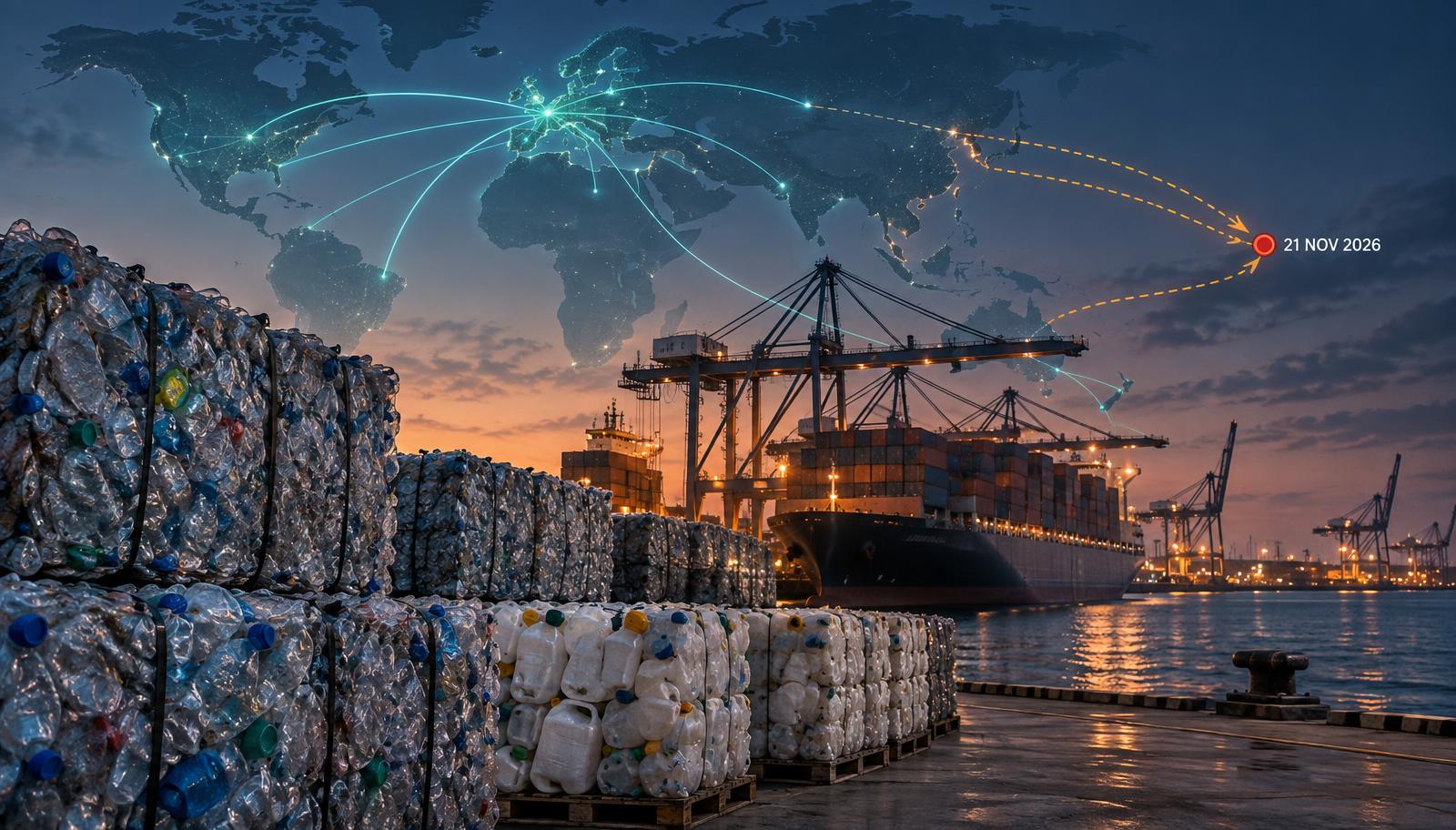
On 21 November 2026, the European Union will prohibit exports of plastic waste to non-OECD countries. The ban initially applies until at least 21 May 2029.
This is not merely a European compliance deadline. It changes where a significant volume of baled and loose plastic can move, which processors can receive it, and how exporters must prove that permitted shipments will be managed.
The European Commission reports that the EU exported 1.4 million tonnes of plastic waste in 2025. Around half went to OECD countries and half to non-OECD countries. Malaysia, Indonesia and Vietnam were among the largest non-OECD destinations, while Türkiye — an OECD member — received 510,000 tonnes.
When established outlets close, material does not disappear. It is redirected, processed domestically, stockpiled, down-priced or rejected. That makes the ban relevant to MRFs, traders, reclaimers and recycled-resin buyers in every major market.
What changes, and when?
The revised EU Waste Shipment Regulation, Regulation (EU) 2024/1157, entered into force in May 2024. Most provisions began applying on 21 May 2026. The key milestones are:
| Date | Regulatory change | Commercial relevance |
|---|---|---|
| 21 May 2026 | EU exports of plastic waste to third countries became subject to prior notification and consent (PIC) | Exporters need approval before shipment, including for clean non-hazardous plastic waste destined for recycling |
| 21 May 2026 | The EU's Digital Waste Shipment System (DIWASS) went live | Shipment information and notified-waste procedures are increasingly digital and traceable |
| 21 November 2026 | EU plastic-waste exports to non-OECD countries are banned | Existing routes to non-OECD processors must stop or be replaced |
| 21 May 2027 | Independent audits of receiving facilities apply to permitted waste exports | Exporters must demonstrate environmentally sound management at destination facilities |
| 21 May 2029 | Earliest possible end of the initial non-OECD plastic-waste ban | A non-OECD country may seek authorisation for non-hazardous B3011 material by demonstrating adequate management capacity |
The plastic-specific ban comes earlier than the wider regime for exports of other non-hazardous waste to non-OECD countries. The two should not be confused.
Exports to OECD countries are not automatically banned. However, the Commission will monitor them, particularly plastic waste, and may suspend flows where environmental management is inadequate. Türkiye is especially important because it was the EU's largest OECD destination for plastic waste in 2025.
The crucial distinction: waste is not the same as recycled resin
The regulation governs shipments legally classified as waste. That can include sorted plastic bales and other material intended for recovery.
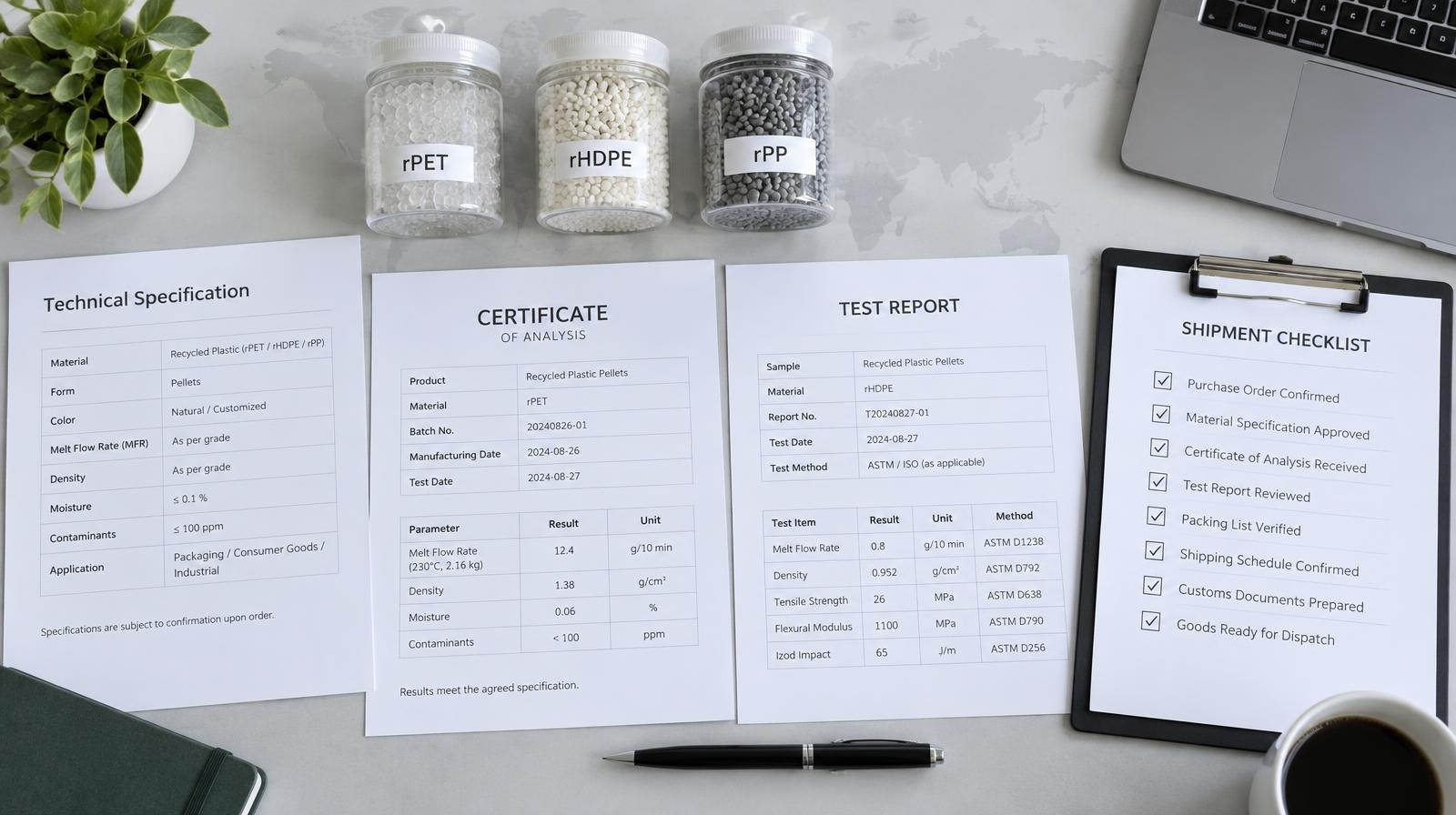
It does not mean that every flake, regrind or pellet is automatically prohibited. A processed material may, in some circumstances, have ceased to be waste and be traded as a product or secondary raw material. The answer depends on its processing, specification, intended use, applicable end-of-waste rules and decisions by competent authorities.
Changing an invoice description does not change legal status. Nor does calling a contaminated bale a commodity. Exporters should confirm classification, waste codes and documentation with the relevant competent authorities and qualified advisers before loading.
How the ban could affect plastic bale prices
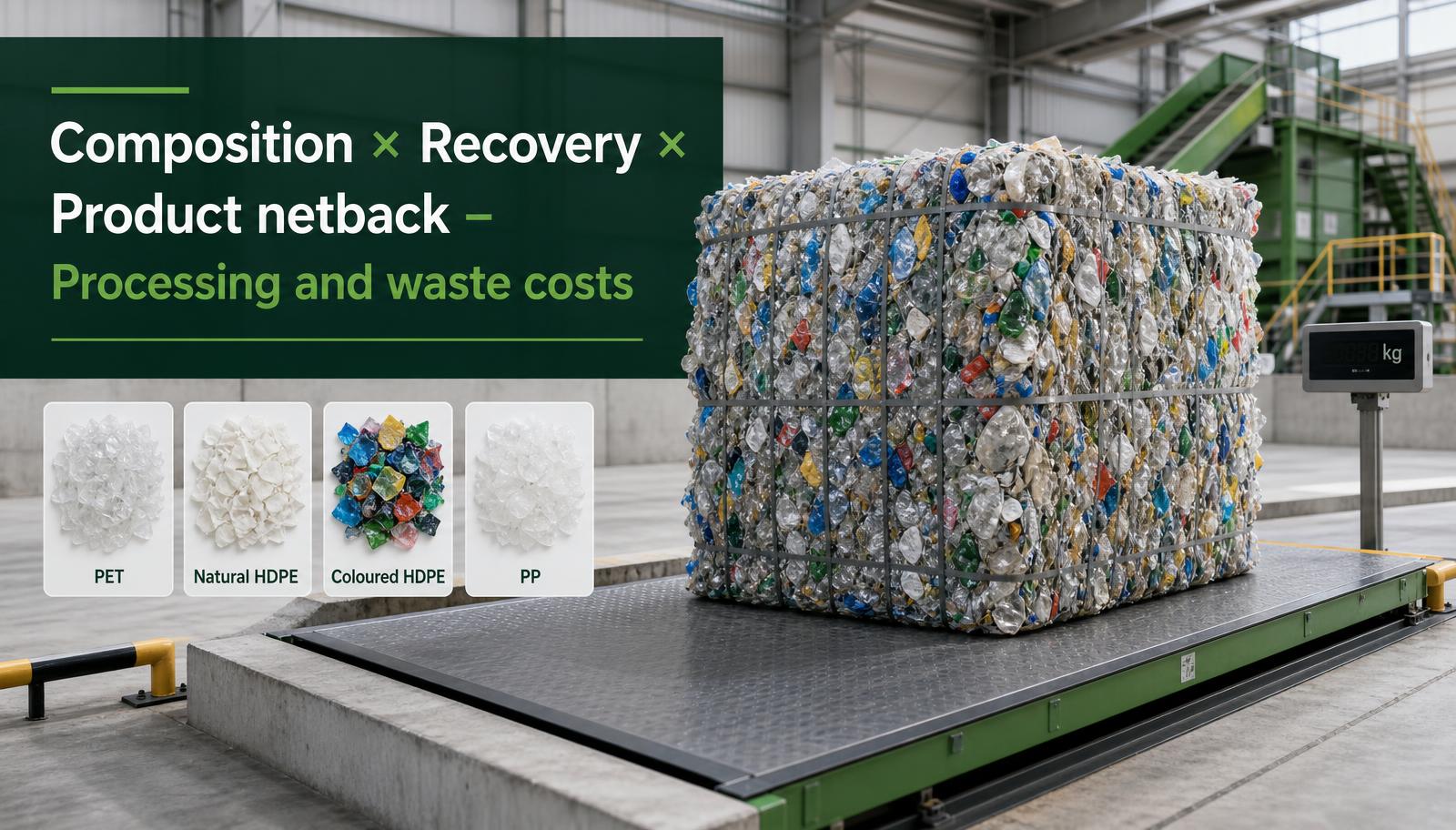
The regulation does not set prices, and its impact will not be uniform. PET bottle bales, natural HDPE, coloured HDPE and mixed rigid plastics have different demand pools and processing economics. Clean material near domestic capacity may behave very differently from lower-grade material that depended on export outlets. Track current plastic bale prices by region, form and basis.
1. More material may compete for EU processing capacity
Material previously shipped to non-OECD destinations will need another home. Some may remain in the EU; some may move to permitted OECD facilities; some may require further sorting before a viable outlet exists.
Where retained supply grows faster than washing, sorting and extrusion capacity, lower-grade bales could face wider discounts. Storage, disposal and rejection costs could also rise. Clean, consistent streams with established domestic buyers should be better protected than bales with uncertain composition.
2. Non-OECD processors may lose established feedstock
Recyclers in affected destination countries may need to replace European supply with locally collected material or imports from other origins. That can increase competition for dependable feedstock and expose differences in collection systems, bale specifications and contamination.
This creates an opportunity for domestic collection and sorting — but only if the material meets the processor's yield and quality requirements.
3. OECD destinations may receive greater attention and volume
Permitted markets could attract redirected EU material. That does not guarantee higher prices: additional supply can pressure local bale values, while freight, approval costs and destination controls may make some routes uneconomic.
The Commission has made clear that OECD flows will be monitored. Buyers should not assume that routing material through an OECD country removes the need for environmentally sound management or prevents scrutiny of onward movement.
4. Quality becomes more valuable than optionality
When there are fewer outlets, sellers have less room to move inconsistent loads between buyers. A recycler accepting a bale must be confident about recoverable polymer, prohibited items, moisture, colour, PVC and other contaminants.
A headline price per tonne is therefore incomplete. The useful comparison is the cost per tonne of recoverable output after yield loss, sorting, disposal and freight.
A practical preparation plan for exporters and buyers
Map every route and legal classification
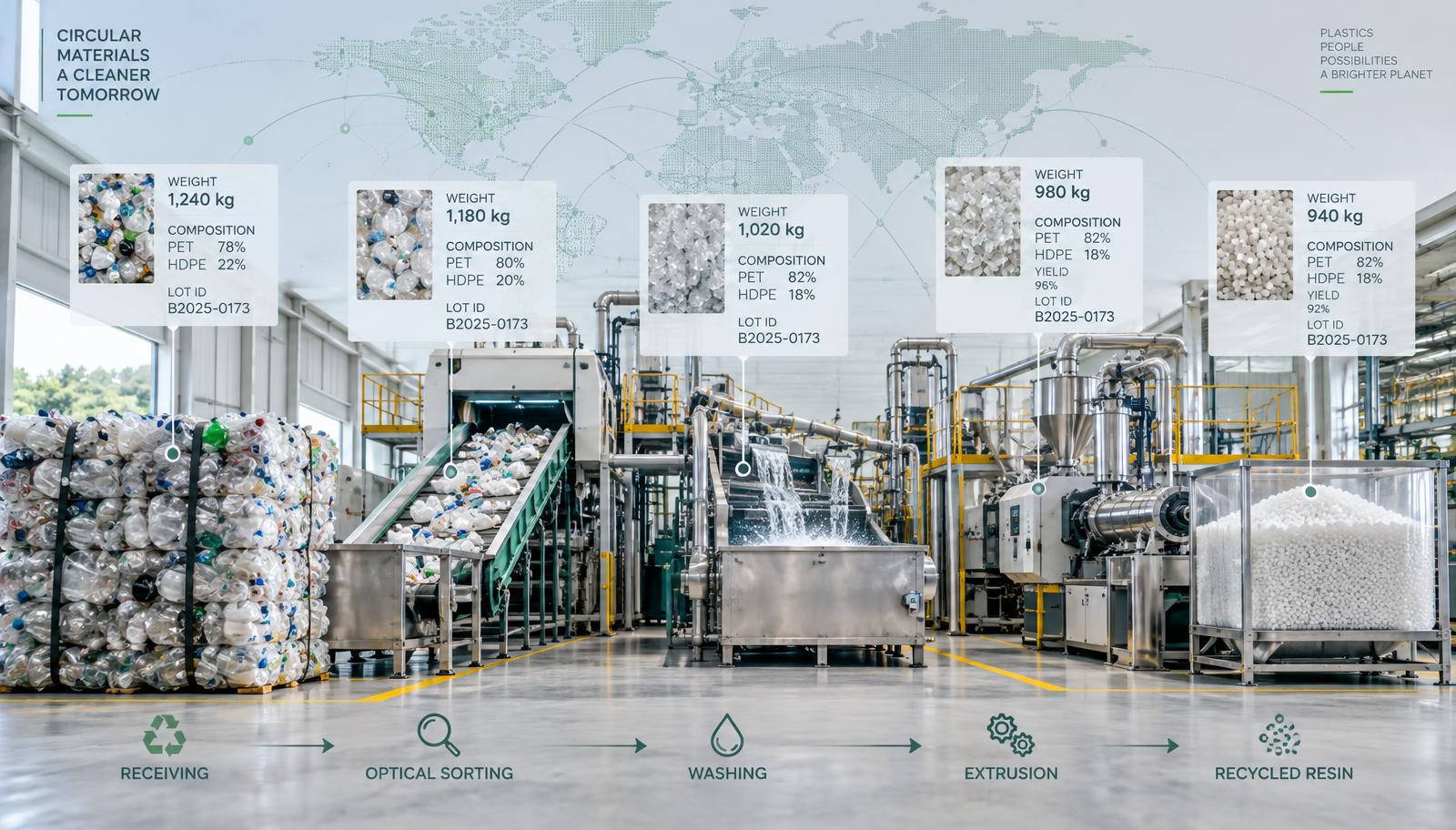
List each polymer stream, origin, destination, receiving facility and current classification. Separate waste bales from flake, regrind and pellets, and verify rather than assume whether processed material has product or waste status.
Identify non-OECD routes that cannot operate after 21 November. For OECD destinations, confirm approval requirements and the receiving facility's ability to meet environmental and audit expectations.
Recalculate load economics
Model at least three scenarios: the current route, a compliant alternative export route and domestic processing. Include:
- purchase or gate price;
- freight, port and notification costs;
- sorting and processing yield;
- residue disposal;
- demurrage, storage and rejected-load risk; and
- sale value of recovered flake or pellet.
Use the Bale Valuation Calculator to test how contamination and yield change the maximum rational purchase price. Check current regional benchmarks in the Recycled Plastic Price Centre, but do not compare incompatible forms, grades or delivery bases.
Tighten contracts before routes tighten
Review destination, classification, quality, inspection, rejection and return clauses. Specify who carries the cost if consent is delayed, a load fails inspection or the receiving facility cannot accept it.
Incoterms allocate commercial responsibilities but do not override waste-shipment law. Contracts should align with the actual regulatory obligations of each party.
Create a defensible quality record
Photograph and identify each load consistently. Record source, date, claimed grade, visible contamination, bale condition and any sampling or laboratory result. Link receiving feedback and actual yield to the original shipment record — see our guide to building a quality record from bale to pellet.
This evidence helps buyers make faster decisions and lets sellers show that a disputed load is not representative of their normal output. It also reveals whether quality changes by supplier, site, shift or material stream.
Do not wait for the November deadline
Prior notification and consent already applies to EU plastic-waste exports to third countries. Alternative outlets, facility checks and approvals take time. Trial loads should be completed early enough to expose specification or logistics problems before the ban closes established routes.
Where BaleScan fits
BaleScan supports faster, more consistent photo-based screening and bale documentation. Teams can create a repeatable visual record, flag visible contamination and compare incoming loads over time.
It is a quality-control aid — not a legal classification service, laboratory test or replacement for representative physical sampling. Used alongside approved procedures, contracts and competent professional advice, it can help turn bale quality from an opinion into a more structured commercial record.
Explore BaleScan Pro to strengthen bale intake records before trade routes become more constrained.
The commercial takeaway
The EU plastic waste export ban is likely to reward material that is easy to identify, easy to process and supported by credible records. It may punish vague specifications and contamination more severely because sellers will have fewer outlets and buyers will face tighter compliance risk.
For global recyclers, the right question is not simply, “Where will European bales go?” It is, “Which bales will still have several economically viable, compliant buyers?”
The answer will increasingly depend on composition, yield, traceability and evidence.
Frequently asked questions
When does the EU ban plastic-waste exports to non-OECD countries?
The ban starts on 21 November 2026 and applies until at least 21 May 2029. After that initial period, non-OECD countries may seek authorisation for imports of non-hazardous B3011 plastic waste by demonstrating environmentally sound management capacity.
Does the ban apply to all recycled plastic pellets and flakes?
Not automatically. The regulation applies to material legally classified as waste. Whether processed flake, regrind or pellet has achieved product or end-of-waste status depends on its characteristics, processing, intended use and applicable law. Confirm classification with the relevant authorities.
Can EU exporters still ship plastic waste to OECD countries?
Potentially, subject to the applicable notification, consent and management requirements. The European Commission monitors these exports and can act where destination-country management is not environmentally sound.
What is B3011 plastic waste?
B3011 is a Basel Convention entry covering certain clean, non-hazardous plastic waste suitable for environmentally sound recycling. The precise composition and contamination conditions matter; the code should not be assigned solely from a material's trade name.
Will the ban increase plastic bale prices?
Not necessarily. Prices may diverge by region and grade. Reduced outlets could pressure contaminated or low-yield bales in Europe, while processors that lose European supply may compete more strongly for alternative feedstock. Local capacity, freight and finished-resin demand remain decisive.
What should a recycler do first?
Map all current routes by material classification and destination. Then identify affected non-OECD shipments, verify alternatives, recalculate recoverable-value economics and improve load-level quality records before the deadline.
Sources
- European Commission: Plastic waste shipments
- European Commission: Waste Shipment Regulation and DIWASS go live, 21 May 2026
- European Commission: Draft authorised-country list and Türkiye assessment, 18 September 2026
- EUR-Lex: Regulation (EU) 2024/1157 on shipments of waste
This article provides general market information, not legal advice. Confirm shipment classification and compliance requirements with competent authorities and qualified advisers.