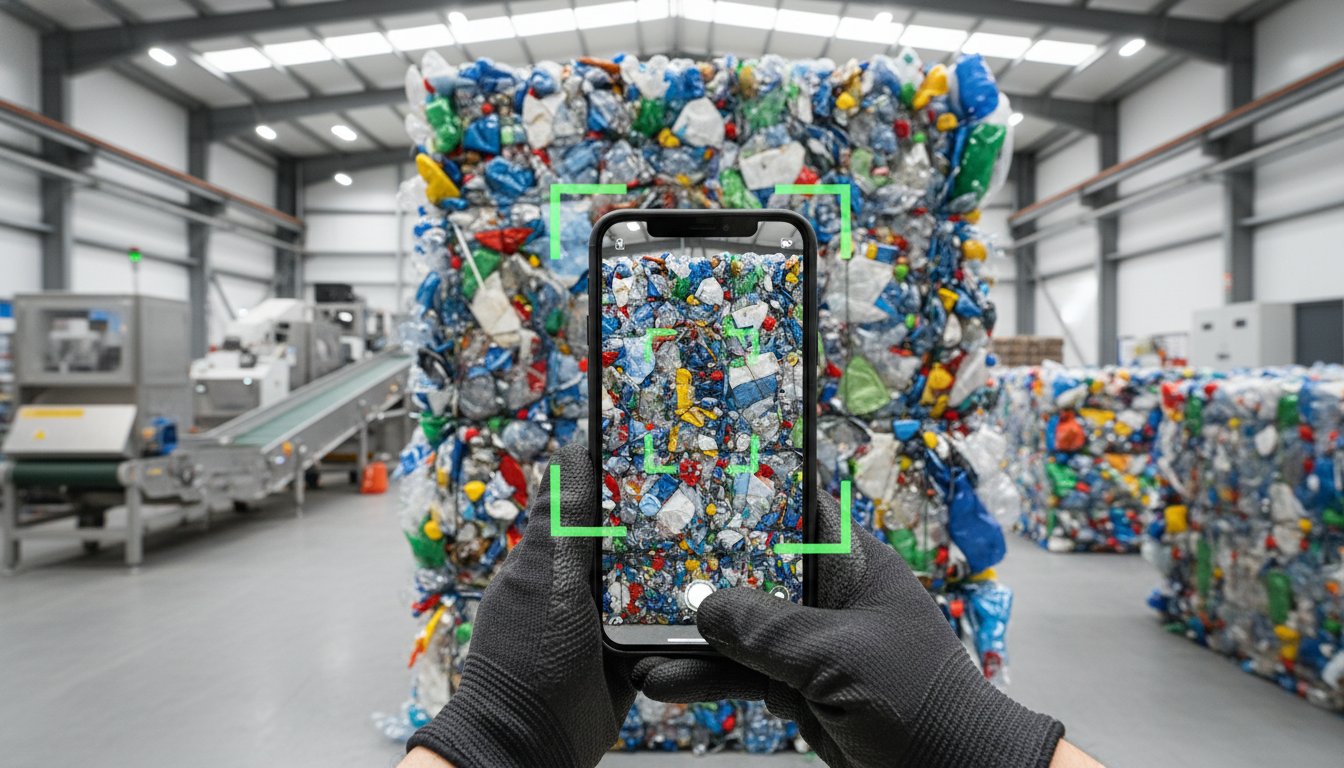
A plastic bale audit helps recyclers understand what is actually inside a bale before it is processed, sold, disputed, or priced. Here''s how it works and why it matters.
What Is a Plastic Bale Audit?
A plastic bale audit is the process of checking the material composition of a compressed plastic recycling bale.
The purpose is simple: to understand what percentage of the bale is made up of the target material, and what percentage is contamination, mixed polymer, non-target packaging, or reject material.
For example, a PET bottle bale may appear clean from the outside. But once reviewed properly, it may contain:
- PET bottles
- PET thermoformed trays
- HDPE bottles
- PP containers
- labels and sleeves
- caps and closures
- film-like compressed material
- food residue
- paper, cardboard, or general waste
That difference matters because recycling bales are often bought, sold, and processed based on an assumed quality level. When the actual composition is different from the assumed composition, margin disappears quickly.
A bale audit gives recyclers, MRFs, processors, and suppliers a clearer view of what is really being traded.
Why Plastic Bale Audits Matter
Plastic recycling is not just about tonnes. It is about usable tonnes.
A 1-tonne bale is not always 1 tonne of recoverable PET, HDPE, or PP. If a bale contains 15% contamination, then the buyer is not really receiving 1,000 kg of usable target material. They are receiving 850 kg of useful material and 150 kg of material that may need to be removed, downgraded, reprocessed, or disposed of.
That has a direct impact on:
- processing cost
- wash plant yield
- labour requirements
- supplier claims
- bale pricing
- rejected loads
- downstream resin quality
- customer confidence
For recyclers, even small changes in bale quality can have a major financial impact across hundreds or thousands of tonnes.
A regular bale audit process helps identify these issues before they become larger commercial problems.
What Does a Bale Audit Measure?
A plastic bale audit typically measures the percentage breakdown of materials inside a bale. Depending on the material stream, this may include categories such as:
PET Bale Audit Categories
- clear PET bottles
- coloured PET bottles
- PET thermoformed trays
- HDPE natural bottles
- HDPE coloured bottles
- PP containers
- PVC contamination
- film or flexible packaging
- labels, caps, and closures
- fibre or non-plastic contamination
HDPE Bale Audit Categories
- HDPE natural bottles
- HDPE coloured bottles
- PET bottles
- PP packaging
- closures
- labels
- non-target plastics
- fibre or residue
Mixed Plastic Bale Audit Categories
- PET
- HDPE
- PP
- LDPE
- multilayer packaging
- trays
- tubs
- containers
- reject material
The goal is not just to list what is present. The goal is to create a usable quality profile that can guide procurement, processing, pricing, and supplier management.
Manual Bale Audits vs Photo-Based Bale Audits
Traditionally, bale audits are performed manually. A manual audit may involve breaking open a bale, separating material by type, weighing categories, and recording results in a spreadsheet or report. This can be accurate, but it is slow, labour-intensive, and often not practical for every load.
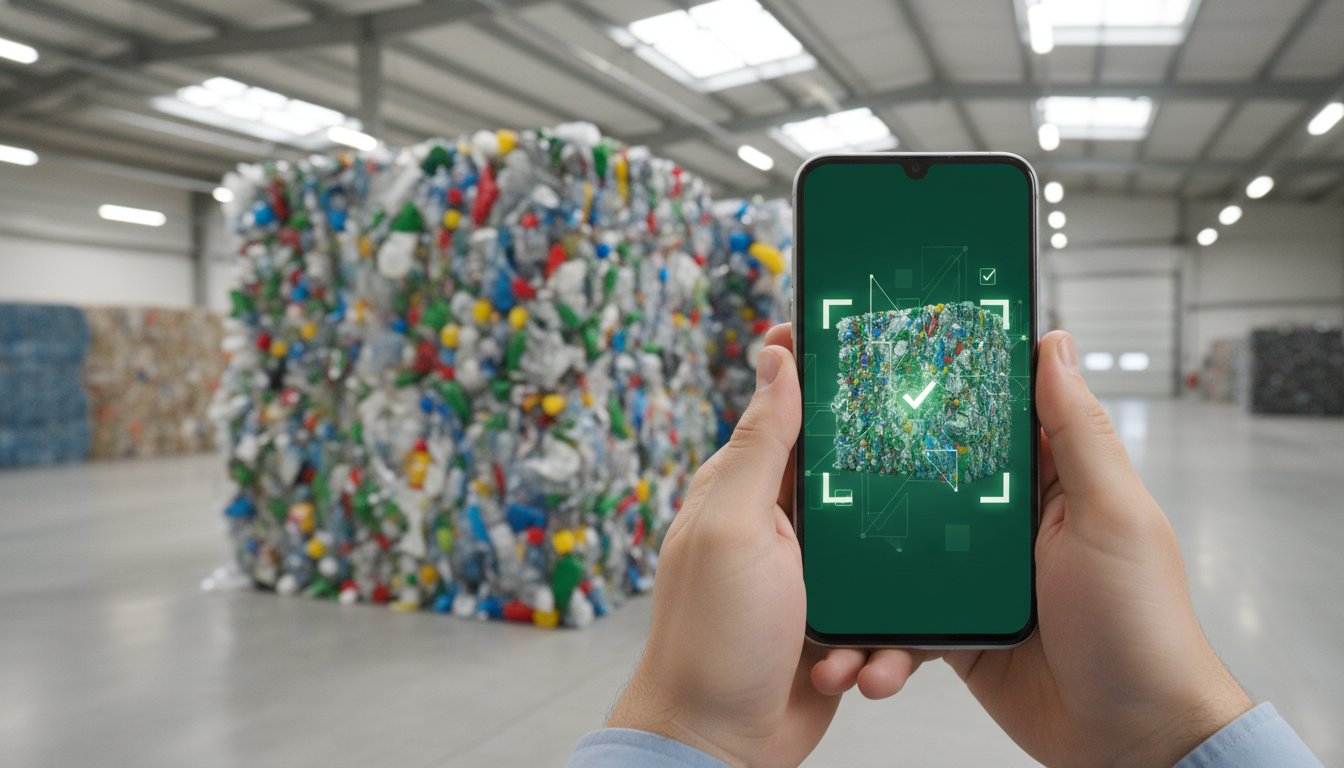
A photo-based bale audit is different. With AI-assisted tools like BaleScan, operators can take photos of a bale using a phone and generate a fast composition estimate, audit summary, PDF report, and supplier communication.
This does not replace deep laboratory testing or full manual sort audits where those are required. But it gives recycling operators a faster way to capture evidence, compare suppliers, and identify quality risks before processing or commercial escalation.
When Should You Perform a Plastic Bale Audit?
A plastic bale audit is useful at several points in the recycling supply chain.
Before Buying Material
Buyers can use bale audits to check whether quoted material quality matches the visual evidence.
When Receiving Loads
Processors can audit inbound bales to confirm whether suppliers are meeting agreed specifications.
Before Processing
Wash plants and recycling facilities can check material quality before committing production time, labour, water, chemicals, and energy.
During Supplier Reviews
Procurement teams can compare suppliers based on actual bale quality data, not just price per tonne.
During Disputes
If a supplier and buyer disagree about quality, audit photos and reports provide a clearer evidence trail.
Why Visual Evidence Is Important
A bale audit is much stronger when supported by photos. A written claim saying "high contamination" is useful, but it can be challenged. A report that includes photos, material breakdowns, timestamps, supplier details, and bale notes is much harder to ignore.
Visual evidence helps create a shared reference point. Instead of arguing based on memory or opinion, both parties can look at the same bale and discuss the same material.
That is where AI-supported bale auditing becomes powerful. It allows operators to capture images quickly, generate a structured report, and create a repeatable process across multiple sites, suppliers, and material streams.
Common Problems Found During Bale Audits
Plastic bale audits often reveal problems that are not obvious at first glance. Common issues include:
- PET trays being confused with PET bottles
- compacted HDPE bottles being mistaken for film
- coloured material hidden inside clear bales
- food residue increasing reject risk
- fibre contamination trapped inside the bale
- non-target plastics blended into higher-value streams
- inconsistent quality between suppliers
- quality variation between loads from the same supplier
These problems can affect yield, price, and production performance. The earlier they are identified, the easier they are to manage.
How Bale Audit Data Supports Better Decisions
A single bale audit is useful. Repeated bale audits are much more powerful. Over time, bale audit data can help answer questions like:
- Which suppliers provide the cleanest PET bales?
- Which loads create the highest reject rate?
- Which suppliers are improving?
- Which suppliers are becoming higher risk?
- Is the price being paid aligned to the actual composition?
- Are rejected loads linked to specific material types?
- Are quality issues random or recurring?
This turns bale auditing from a basic quality check into a commercial decision-making tool.
Final Thoughts
A plastic bale audit is not just a recycling quality task. It is a margin protection tool. When recyclers understand what is actually inside each bale, they can price material more accurately, manage supplier quality more effectively, and reduce the risk of contamination damaging downstream production.
The more consistent the audit process, the more valuable the data becomes. For recycling operators, MRFs, procurement teams, and processors, bale audits are becoming an essential part of smarter material management.
Ready to Audit Your Bales?
Want to check what is actually inside your plastic bales? Use BaleScan to scan a bale, estimate composition, generate a PDF report, and create supplier-ready audit evidence in minutes.